

Seventh International Conference on Plant and Environment
(ICPEP-7)
(27-30 November, 2018)
Sponsors
Publications

Acknowledgements
The Organising Committee records its sincere gratitude to Dr. (Mrs.) N. Kalaiselvi, Director General, Council of Scientific and Industrial Research (DG-CSIR), for extending patronage to ICPEP-7 as the Chief Patron, and for enabling an institutional environment in which a large, multidisciplinary international meeting could be delivered with scientific rigor and administrative efficiency.
The Committee gratefully acknowledges the Ministry of External Affairs, Government of India, for granting the requisite permissions/clearances that enabled the participation of all foreign delegates and invited speakers, thereby strengthening ICPEP-7 as a genuinely international platform for exchange.
ICPEP-7 was jointly organised by the International Society of Environmental Botanists (ISEB), Lucknow and CSIR–National Botanical Research Institute (CSIR-NBRI), Lucknow, and the Committee thanks both organisations for strategic leadership, governance oversight, and end-to-end logistical support.
The Committee acknowledges with appreciation the core organising team-Chairman Dr Ajit K. Shasany, Co-Chairman Prof. Saroj K. Barik, Convener Dr Rudra D. Tripathi, and Organising Secretaries Dr Soumit K. Behera and Dr Vivek Pandey-for their stewardship across scientific programming, coordination, and execution.
The Committee expresses deep thanks to the inaugural and valedictory dignitaries for their time and guidance, including Dr Bhaskar Narayan for inaugurating the conference, the Guests of Honour Prof. Elina Oksanen, Prof. Swadhin K. Behera, and Prof. Saroj K. Barik, and the valedictory leadership of Prof. Uma Shanker, (University of Agricultural Sciences Bangalore) with Mr Awanish K. Awasthi as Chief Guest.
The Committee also acknowledges all plenary, keynote, invited, oral and poster contributors whose work shaped the conference’s intellectual outcomes, including contributions from leading national and international researchers. The Committee thanks the Uttar Pradesh State Biodiversity Board for sponsoring the special session on Biodiversity and for reinforcing the governance-to-ground linkage for biodiversity conservation through local institutions.
The Committee also acknowledges all sponsoring organisations, partner institutions, and supporters who contributed resources and facilitation to conference delivery. ICPEP-7 benefitted from wide participation-around 270 delegates from India and abroad representing eight countries-and the Committee thanks every delegate for sustaining a constructive and solutions-oriented scientific discourse.
The Committee acknowledges the scientific structure and session architecture that enabled breadth and depth, including 12 thematic sessions, lectures conducted in two concurrent halls, and two online lectures that expanded access and reach. The Committee thanks all abstract authors and presenters for contributing to the programme scale (250+abstracts; 53 oral and 180 poster presentations) and for maintaining scientific quality and professionalism throughout.
The Committee records appreciation for the committees and expert panels responsible for screening abstracts, chairing sessions, moderating discussions, and evaluating posters, culminating in poster recognitions and prizes that encouraged early-career scholarship.
The Committee also acknowledges the recognition of excellence through ISEB Fellowships and the ISEB Young Scientist Awards.
The Committee gratefully acknowledges the publication and documentation teams who produced and released the Abstract Book, the Conference Souvenir, and the latest issue of the Society’s journal, International Journal of Plant and Environment, and ensured timely compilation of conference proceedings for record and dissemination.
The Committee recognises the essential operational contributions of CSIR-NBRI and ISEB administrative and technical staff, including conference secretariat support; finance and accounts; procurement and vendor coordination; venue operations; registration and help-desk teams; hospitality and accommodation coordination; transport and local logistics; stage management; audio-visual and IT support; printing and signage; photography and documentation; safety and security; and housekeeping and facilities management. Their coordination ensured seamless execution across concurrent sessions, poster displays, and formal functions.
Finally, the Committee acknowledges that ICPEP-7 was made possible by the collective effort of speakers, delegates, students, volunteers, partner institutions, and supporting agencies, and records its appreciation for the shared commitment to advancing plant and environmental science in the service of sustainability and public good.
Executive Summary
The natural environment is a prerequisite for health and, therefore, a fundamental contributor to liveability. The world is rapidly urbanizing, and this brings many challenges, including loss of green space and natural habitats, increased air, water, soil, and noise pollution, traffic congestion, high energy consumption, and associated greenhouse gas emissions. Further, reliance on fossil fuels contributes to climate change, leading to natural disasters, extreme weather events and the risk of diseases.
The Seventh International Conference on Plants and Environmental Pollution (ICPEP-7) was organized from November 30 to December 2, 2025, with the aim of bringing together leading researchers, academicians, environmentalists, policymakers, industry professionals and other stakeholders from across the globe to discuss plants and ecosystems, as well as explore sustainable solutions for environmental conservation.
ICPEP-7 offered an invaluable platform to share the latest scientific discoveries and innovative solutions that can guide sustainable environmental management and strengthen climate resilience. It focused on restoring degraded ecosystems, safeguarding plant biodiversity, and fostering adaptation, aligns strongly with global frameworks such as the Sustainable Development Goals, the Kunming-Montreal Global Biodiversity Framework, and the UN Decade on Ecosystem Restoration. By serving as a bridge between Science and policy, ICPEP-7 enables evidence-based decision-making at local, national, and international levels.
It was jointly organized by the International Society of Environmental Botanists (ISEB), Lucknow, and CSIR-National Botanical Research Institute, Lucknow. It was inaugurated by Dr. Bhaskar Narayan, Director, CSIR-Indian Institute of Toxicological Research, Lucknow, and Prof. Elina Oksanen from the University of Finland, Finland, Prof Swadhin K. Behera from the Japan Agency for Marine-Earth Science and Technology (JAMSTEC), Japan, and Prof Saroj K. Barik, North-Eastern Hill University (NEHU), Shillong were the Guests of Honour. Around 270 delegates from India and abroad (eight countries) participated. Distinguished scientists and academicians delivered Plenary and invited lectures.
On this occasion, nine scientists were awarded ISEB Fellowships, and 5 young researchers were conferred the ISEB Young Scientist Award. The dignitaries also released the Abstract Book of the Conference (ICPEP-7), Souvenir, and the latest issue of the Society’s Journal, ‘International Journal of Plant and Environment’.
The valedictory function was held on the afternoon of 2nd December 2025. Mr. Awanish K. Awasthi, IAS (Retd), Former Chief Secretary, Govt of Uttar Pradesh and Advisor to Chief Minister, U.P., was the Chief Guest.
The Seventh International Conference on Plants and Environmental Pollution (ICPEP-7) successfully fostered a vibrant, multidisciplinary exchange of ideas among delegates from several countries. The in-depth discussions, featuring plenary and invited lectures alongside numerous oral and poster presentations, effectively addressed the critical nexus between environmental pollution, climate change, and the crucial role of plants in amelioration. ICPEP-7 not only provided a robust platform for presenting current research but also emphasized the need for sustainable agricultural practices, advanced technological tools (like AI), and nature-based solutions to secure a healthier planet. The knowledge shared and collaborations forged during this conference are poised to inspire significant advancements in plant sciences for environmental sustainability.
Conference at a Glance
Conference Title: Seventh International Conference on Plants and Environmental Pollution (ICPEP-7).
Dates: 30 November–2 December 2025.
Venue: CSIR-National Botanical Research Institute (CSIR-NBRI), Lucknow, India.
Conference theme: Plants & Ecosystems for Advancing LIFE (Lifestyle for Environment), Green Growth, and Sustainable Future.
Organizers: International Society of Environmental Botanists (ISEB), Lucknow and CSIR-NBRI, Lucknow.
Participation: Around 270 delegates from India and abroad (eight countries).
Scientific structure: 12 thematic scientific sessions; lectures in two concurrent halls; two online lectures.
Abstracts and presentations: 250+ abstracts received; 53 oral and 180 poster presentations.
Recognitions: 9 ISEB Fellowships; 5 ISEB Young Scientist Awards; 24 poster prizes under different themes.
2. Background and Rationale
The natural environment is a prerequisite for health and a fundamental contributor to liveability. Rapid urbanization and expanding human demands have intensified pressures on green space and natural habitats, and increased air, water, soil and noise pollution, congestion, and energy consumption. These stresses are closely linked with greenhouse gas emissions, fossil-fuel dependence, and escalating climate risks, including extreme events, disasters, and disease threats.
Conference Aim and Objectives
The Seventh International Conference on Plants and Environmental Pollution (ICPEP-7) was organized to bring together global expertise to discuss plants and ecosystems in the context of environmental pollution and climate change, and to explore sustainable solutions for conservation, restoration, and resilience. The conference sought to serve as a bridge between science and policy for evidence-based decision-making and to align discussions with global frameworks such as the Sustainable Development Goals, the Kunming-Montreal Global Biodiversity Framework, and the UN Decade on Ecosystem Restoration.
4. Organizers and Governance
ICPEP-7 was jointly organized by the International Society of Environmental Botanists (ISEB), Lucknow and CSIR-National Botanical Research Institute (CSIR-NBRI), Lucknow. Key organizing roles: Chairman-Dr Ajit K. Shasany; Co-Chairman-Prof. Saroj K. Barik; Convener-Dr Rudra D. Tripathi; Organizing Secretaries-Dr Soumit K. Behera and Dr Vivek Pandey.
5. Inaugural and Valedictory Sessions
The conference was inaugurated by Dr Bhaskar Narayan (Director, CSIR-IITR, and Lucknow, India). Guests of Honour for the inaugural session included Prof. Elina Oksanen (University of Eastern Finland, Finland), Prof. Swadhin K. Behera (Japan Agency for Marine-Earth Science and Technology (JAMSTEC), Japan), and Prof. Saroj K. Barik (NEHU, Shillong, India). The valedictory session was chaired by Prof. Uma Shanker (University of Allahabad, India), and the Chief Guest was Mr Awanish K. Awasthi (Addl. Chief Secretary, Govt. of Uttar Pradesh; Chairman, UP State Biodiversity Board, India).
6. Participation and Reach
The conference saw the participation of around 270 delegates from India and abroad (eight countries), representing universities, national laboratories, government bodies, and other stakeholder institutions.
7. Scientific Programme Overview
Scientific deliberations included plenary and invited lectures, oral presentations, poster sessions, and two online lectures (Germany and Spain). Presentations were organized into 12 thematic scientific sessions and conducted in two parallel halls to facilitate broad coverage of topics.
Theme 1: Biodiversity, Threatened Plant Conservation, and Palaeosciences.
Theme 2: Climate change impacts: Mitigation and Adaptation.
Theme 3: Plant Responses to Environmental Pollution.
Theme 4: Environmental Microbiology, Biotechnology, and Nanotechnology.
Theme 5: Urban Ecosystems, Urban Heat Island effects, Green Belts.
Theme 6: Environmental Monitoring, Assessment, and Remediation.
Theme 7: Geospatial Technologies & Modelling for Environment and Forest Conservation.
Theme 8: Nature-Based Solutions, Biofuels, and Green Technologies.
Theme 9: Bioeconomy and Sustainable Development Goals.
Theme 10: Plants for Food and Nutritional Security, Ethnobotany.
Theme 11: Floriculture under Changing Climate.
Theme 12: Emerging Environmental Issues Including Microplastic Pollution and Mitigation Strategies.
8. Highlights from Plenary / Keynote Lectures
- Prof. Elina Oksanen (University of Eastern Finland, Finland): Highlighted multi-stress interactions affecting boreal forests; discussed how heat and drought can weaken tree defense systems and increase vulnerability to pests and diseases.
- Prof. Swadhin K. Behera (Japan Agency for Marine-Earth Science and Technology (JAMSTEC), Japan,): Discussed large-scale atmospheric and oceanic drivers of temperature extremes, including implications for predictability and risk management.
- Prof. Mukunda Dev Behera (IIT Kharagpur, India): Highlighted AI-enabled digital twins for improved prediction and security of food, water and ecosystems.
- Prof. Saroj K. Barik (NEHU, Shillong, India): Presented steps and strategies for conserving threatened plant species and increasing population sizes.
- Prof. P.V. Vara Prasad (Kansas State University, USA): Addressed climate-related risks to agri-food systems and emphasized Sustainable Agricultural Intensification to enhance production while protecting natural resources.
- Prof. Viney P. Aneja (North Carolina State University, USA): Focused on the emerging crisis of the global nitrogen cycle and adverse consequences of anthropogenic reactive nitrogen.
- Prof. Om Prakash Dhankher (University of Massachusetts, USA): Discussed restricting the movement of arsenic from soil to rice grains to reduce carcinogenic risks.
- Dr Ajit Shasany (Director, CSIR-NBRI, India): Explained approaches to harness plant innate immunity to enhance climate resilience.
- Prof. Rishikesh Bhalerao (SLU, Sweden): Explained bud dormancy regulation and release in trees, highlighting cell-to-cell communication that helps buds process variable temperature signals.
- Prof. Puneet K. Dwivedi (Clemson University, USA): Presented supply-chain assessment of wood chips as a sustainable alternative to aviation fuel, considering climate benefits and carbon abatement costs.
- Dr U.C. Lavania (CSIR-NBRI, India): Showcased vetiver-based models for environmental applications including land rehabilitation, detoxification, deep carbon sequestration, and ecosystem-service based livelihoods.
- Prof. Mirza Hasanuzzaman (Sher-e-Bangla Agricultural University, Bangladesh): Discussed arsenic-tolerant plant growth-promoting bacteria for mitigating arsenic stress in rice through improved physiological and defense systems.
- Prof. Biswajeet Pradhan (University of Technology Sydney, Australia): Highlighted GeoAI (remote sensing+GIS+AI) to monitor and predict vegetation stress and ecosystem health and presented digital environmental twins for adaptive management.
- Prof. Francisco J. Corpas (Spanish National Research Council, Spain; online): Discussed nitric oxide and hydrogen sulfide as gasotransmitters in pepper fruit ripening; reported that exogenous nitric oxide can delay ripening and enhance vitamin C content.
- Prof. Mahesh G. Thakkar (Birbal Sahni Institute of Palaeosciences, Lucknow, India): Reflected on paleosciences and their implications for understanding and planning for future environmental change.
9. Theme-wise Highlights from Invited Talks and Oral Presentations
9.1 Theme 1: Biodiversity, Threatened Plant Conservation & Paleosciences; Theme 9: Bioeconomy and Sustainable Development Goals.
- Dr. Valliyodan Babu (Lincoln University, USA) discussed carbon dynamics in crops through an integrated flux-to-traits approach, framing this as a pathway toward environmental security.
- Prof. Mohammad Latif Khan (Dr. Harisingh Gour Vishwavidyalaya, India), in “Rethinking to Rebuilding-Stepping Towards Environment, Sustainability and Ecosystem Services,” described the present era as one in which humans increasingly control and modify Earth’s natural systems. He emphasized that, despite technological advances, societies remain dependent on healthy ecosystems for water, food, shelter, fuel, clothing, and medicines, and called for balancing growth with conservation through changes in how natural resources are used.
- Prof. Tapati Das (Assam University, India), in “Living with water: Ecological and Economic Pathways to Resilience in Barak Valley, Assam,” presented an evidence base combining ecological assessments with socio-economic analyses to identify practical pathways for adaptation and regeneration. She highlighted nature-based solutions such as restoration using native wetland vegetation, community-based wetland management committees, and value-addition strategies, and underscored scaling levers including alignment with hydrological realities, linking ecological gains with livelihood diversification, and institutionalizing local co-management.
- Dr. Parminder Singh Ranhotra (Birbal Sahni Institute of Palaeosciences, India), in “Deciphering Vegetation and Treeline responses during Holocene in the Western Himalayas: On Pollen and Tree-ring investigations,” reported pollen evidence indicating that early Holocene subalpine altitudes (3300-3500 m asl) lacked forest structure and that the current treeline is around ~3600 m asl. He noted that warm, moist Holocene conditions promoted treeline shifts to higher elevations with glacier retreats, followed by forest densification.
- Prof. Daizy Rani Batish (Panjab University, India) discussed ecological threats posed by invasive plants, focusing on impacts of Delairea odorata on native biodiversity and ecosystem functioning. She highlighted utilization-based management options including essential oil extraction and biomass-to-biochar conversion, emphasizing that productive use can support invasion control while creating green products, economic incentives, and livelihood opportunities.
- Dr. Jyoti Prasad Gajurel (Tribhuvan University, Nepal) presented conservation insights for Taxus wallichiana, emphasizing targeted strategies to mitigate climate and land-use change impacts.
- Dr. Sougata Sarkar (CSIR-NEIST, India) assessed variability in flower colours of Butea monosperma across scarlet, orange, yellow, and white forms. He also noted the species’ significance as a non-timber product yielding tree for rural inhabitants of the Chotanagpur plateau.
9.2 Theme 2: Climate Change Impacts, Mitigation and Adaptation; Theme 5: Urban Ecosystems, Urban Heat Island Effects, Green belts; Theme 7: Geophysical Technologies & Modelling for Environment and Forest Conservation.
- Prof. Ajay Sharma (Auburn University, USA) highlighted that southern U.S. pine forests cover 2% of global forest area yet contribute substantially to timber production and regional employment. He identified threats including windstorms, wildfires, and reduced diversity under intensive plantations, and emphasized alternative silviculture combined with prescribed fire to enhance resilience, structural complexity, biodiversity, water quality, and carbon stocks.
- Dr. Debasis Chakrabarty (CSIR-NBRI, India) reported work on the endangered medicinal plant Stereospermum tetragonum, describing tissue-specific variation in bioactive compounds with flavonoids highest in leaves and phenolic acids abundant in flowers. He also highlighted challenges in seed germination, advances in in vitro regeneration, and the role of tissue culture in metabolite production and conservation.
- Prof. Rajesh Raviya (Bhakta Kavi Narsinh Mehta University, India) mapped bryophyte habitat suitability in semi-arid Gujarat, identifying species richness patterns and hotspots in southern and central Gujarat. He positioned this as a geospatial foundation for conservation planning and demonstrated the utility of ecological niche modelling for lower plants in data-deficient regions. Dr. Richa Rai (CSIR-NBRI, India) assessed tolerance strategies of Rosa indica, Jasminum sambac, and Polianthes tuberosa at flowering stage under ambient air pollution, integrating physiological traits and biochemicals into APTI and API. She reported that API classified Rosa indica and Jasminum sambac as good performers while Polianthes tuberosa was vulnerable, noted limitations of APTI/API in capturing complex tolerance mechanisms, and emphasized the need for large-scale trials in vertical greenery, facades, and rooftop gardens.
- Dr. Ashutosh Kumar Singh (XTBG, CAS, China) highlighted glomalin’s roles in improving soil structure and fertility, stabilizing pollutants, and driving microbial activity. He emphasized its contribution to SOC sequestration and reported persistence in the soil matrix for decades (≥42 years).
- Dr. Puneeta Pandey (University of Allahabad, India) linked Urban Heat Island effects with SDGs using Prayagraj as a case, reporting rising land surface temperature with built-up areas consistently warmer than vegetated and water-dominated areas. She identified urbanization and reduced greenery as major causes of thermal stress and noted the relevance for medium-sized Indian cities.
- Dr. Padma Sharma (Jammu, India) presented climate change vulnerability and risk assessment of forests in Jammu & Kashmir using district-level biophysical and socio-economic parameters. She identified district-specific recommendations, emphasizing Rajouri and Udhampur for enhanced fire management and slope stabilization, and Jammu and Udhampur for climate-resilient forestry practices.
- Dr. Sijagurumayum Geetanjali Devi (Manipur University, India) assessed edaphic and phytosociological attributes of Aconitum nagarum microhabitats in Dzuko valley across pre-flowering, flowering, and post-flowering phases. She reported significant seasonal differences in soil physico-chemical parameters affecting population ecology of A. nagarum.
9.3 Theme 3: Plant Responses to Environmental Pollution
- Prof. Sribash Roy (University of Hyderabad, India) emphasized genetic and epigenetic mechanisms underlying plant adaptation to rising atmospheric CO₂, using Arabidopsis thaliana populations from high and low elevations. He reported that elevated CO₂ induces local DNA methylation changes and differential expression of small RNAs affecting genes such as TSB4 via the RdDM pathway, highlighted variation by phyto-geographic origin, and noted relevance for future crop improvement strategies.
- Dr. Purabi Saikia (BHU, India) reported significant shifts in floristic composition and structure along urban, peri-urban, and natural vegetation gradients in Ranchi, attributing patterns to differential anthropogenic pressures. She called for integrated conservation strategies and sustainable resource management to support long-term stability and resilience of plant resources in Eastern India.
- Dr. Aditya Abha Singh (University of Lucknow, India) assessed eight-year air quality trends in Muzaffarpur across four sites selected by green areas, traffic congestion, land use, and pollution sources. Using APTI, she identified tolerant species including Azadirachta indica, Litchi chinensis, Hibiscus rosa-sinensis, Cassia fistula, Mangifera indica, Polyalthia longifolia, Psidium guajava, and Syzygium cumini, and comparatively sensitive species including Terminalia arjuna, Dalbergia sissoo, Nerium oleander, and Morus alba; she suggested sensitive species for monitoring and tolerant species for planting to curb air pollution.
- Dr. Amit Kumar Mishra (Mizoram University, India) reported that UV-B stress modulates antioxidant systems and enhances synthesis of protective specialized metabolites in Ocimum americanum, despite compromised growth and physiological efficiency.
- Dr. Pooja Sharma (Humboldt Postdoc Fellow, Germany; online) reported combined impacts of climate and metal stress, including suppressed root development, reduced water-use efficiency, and modified cellular metabolism, leading to reduced overall productivity. She noted that understanding combined impacts can inform plant adaptation strategies and development of resilient cropping systems for contaminated and climate-vulnerable environments.
9.4 Theme 4: Environmental Microbiology, Biotechnology & Nanotechnology; Theme 8: Nature-based solutions, Biofuels and Green Technologies; Theme 12: Emerging Environmental Issues including Microplastic pollution and Mitigation strategies.
- Prof. Rana Pratap Singh (PHSS Foundation for Science and Society, India), presented a rhizospheric system combining climate-resilient beneficial microbes with diverse cropping to enhance soil fertility, carbon sequestration, crop yield, and product quality. He reported improved ecological and economic outcomes and highlighted inter-kingdom plant–microbe communication, including microRNA-mediated regulation of gluten-related genes in wheat under microbial treatments.
- Dr. Shekhar Mallick (JNU, India), discussed electronic waste as an “urban mine” for rare earth elements and precious metals, reviewing conventional and emerging recovery technologies including bioleaching and bio-inspired methods. He highlighted case studies on neodymium magnets and circuit boards and emphasized collaborative innovation to enable a sustainable circular economy while addressing technical, regulatory, and market challenges.
- Dr. Pankaj K. Srivastava (CSIR-NBRI, India), in “Microplastics and its threat to sustainability,” provided an overview of microplastic sources, prevalence across ecosystems, and impacts on environment and human health. He outlined objectives covering pathways of entry, exposure and bioaccumulation risks, research gaps and future directions, and mitigation strategies and policy development.
- Dr. Nirmal Renuka Rath Sharma (Central University of Punjab, India), in “Phytohormone-induced Regulation of Antibiotic Bioremoval and Physiological Adaptations in Microalgae,” described how phytohormones enhance physiological resilience and bioremediation capabilities of microalgae and highlighted their potential utility for treatment of antibiotics in aquatic environments.
- Prof. P.C. Abhilash (BHU, India) cited synthesis reports from FAO, IPBES, and IPCC to underscore land degradation as a serious concern in India and highlighted strategies for restoring degraded lands to achieve UN Sustainable Development Goals.
- Dr. Anita Singh (BHU, India) indicated that modified biochar amendment under wastewater irrigation can improve soil health by enhancing microbial activity and increasing nutrient availability. She also noted improved food-crop quality through reduced heavy-metal uptake and increased secondary metabolite production and growth indices.
9.5 Theme 6: Environmental Monitoring, Assessment & Remediation
- Prof. Naveen Kumar Arora (BBAU, India) explained how salt-tolerant plant growth-promoting microbes (HT-PGPR) produce osmoprotectants and antioxidant enzymes to enhance plant tolerance and support restoration of saline ecosystems. He reported a consortia-based bioinoculant with traits including exopolysaccharide production, nitrogen fixation, and phosphorus solubilization, positioning microbial inoculants as a sustainable technology to restore productivity of saline-degraded lands and support agricultural resilience and food security.
- Dr. Kamrun Nahar (Sher-e-Bangla Agricultural University, Bangladesh), reported that Pb stress decreased chlorophyll a/b and reduced shoot and root fresh weights in Amaranthus tricolor. She noted that Ca and/or K application improved chlorophyll contents and growth parameters via modulation of antioxidant defense mechanisms.
- Dr. Seema Mishra (University of Lucknow, India), reported that available P, S, Fe, and Ca and clay content were key factors affecting arsenic accumulation and availability in soil. She noted that most As localized in roots (48–83%) as thiol-complexes under arsenate and methylarsonate exposure and emphasized the need to study soil properties driving grain arsenic variation and restrict translocation to grains.
- Dr. Nivedita Chaudhary (Central University of Rajasthan, India), investigated four wheat cultivars (RAJ-3077, RAJ-4079, RAJ-4120, RAJ-4037) under tropospheric ozone (O₃) and water stress, individually and in combination. She reported cultivar-specific physiological and biochemical variations and recommended incorporating these traits into breeding and crop management for tolerance under pollution and climate variability.
9.6 Theme 10: Plants for Food & Nutritional Security, Ethnobotany; Theme 11: Floriculture Under Changing Climate
- Dr. Chandra S. Mohanty (CSIR-NBRI, India), presented Psophocarpus tetragonolobus (winged bean) as a climate-resilient, underutilized legume with high nutritional value and noted that root-tuberization mechanisms remain poorly understood. He hypothesized regulation via calcium-mediated signaling and stress-responsive proteins supported by bioactive metabolites, using transcriptomic, proteomic, and metabolomic approaches, and reported identification of 2,678 proteins with small heat shock proteins constituting 13%; he also reported higher expression of Hsp91 and sHsp transcripts under drought stress and confirmed gallic acid, catechin, epicatechin, and rutin via HPLC alongside strong antioxidant activity.
- Dr. Anushree Baruah (Assam Royal Global University, India), discussed neem and tea leaf residues as biological nitrification inhibitors (BNIs) used alongside inorganic nitrogen fertilizers to reduce nitrogen losses and N₂O emissions, enhance NUE, and improve rice grain yield as a sustainable alternative to synthetic nitrification inhibitors. She reported that neem leaf residue incorporation at 5 t ha⁻¹ (T2) improved soil quality, nutrient efficiency, and rice yield while curbing microbial nitrification under tropical field conditions.
- Dr. Rakesh K. Nainwal (CSIR-NBRI, India), in “Global trend of Floriculture productivity under changing Climate: Impact and Adaptive Strategies,” positioned climate change as both a challenge and a catalyst for innovation in floriculture. He noted that integrating floriculture into climate adaptation and biodiversity conservation can enhance ecosystem services and rural livelihoods and called for scientific innovations, sustainable practices, inclusive programs, localized adaptation, collaborative breeding, and circular economy principles.
- Dr. Vijay Vishnu Wagh (CSIR-NBRI, India), reported systematic surveys and specimen collections across habitats of the Chambal Ravines spanning Madhya Pradesh, Rajasthan, and Uttar Pradesh and documented 350 taxa belonging to 226 genera and 72 families, highlighting rare, endangered, and economically significant species and conservation needs.
- Dr. Gaurav K. Mishra (CSIR-NBRI, India), emphasized lichens’ roles in forest ecosystems, including habitat diversity, pioneering in succession, nutrient cycling, food-source functions, and use as bioindicators. He used community distributions to categorize ecological zones and framed the data as a baseline for future biomonitoring in the region.
- Dr. Leena Das (J.B. Arts and Birla Commerce Mahavidyalaya, India), evaluated interactions between methanolic extracts of B. pinnatum and M. elengi and standard antibiotics (Clindamycin, Vancomycin, Fluconazole) against Staphylococcus aureus, Escherichia coli, and Candida albicans. She reported increased synergistic properties in combinations and suggested using current antibiotics in combination with plant-derived antimicrobial agents as a therapeutic option.
Special Session Supported by a Sponsoring Agency
The Uttar Pradesh State Biodiversity Board sponsored a special session on Biodiversity. In this session, the Secretary of the Uttar Pradesh State Biodiversity Board highlighted the role of village panchayats in biodiversity conservation.
10. Abstracts, Presentations, and Poster Awards
ICPEP-7 received 250+ abstracts, which were categorized into 12 scientific sessions. The programme included 53 oral and 180 poster presentations. Young researchers participated enthusiastically in poster presentations. Posters were evaluated by a committee comprising reputed scientists, and 24 posters received prizes under different themes for new concepts and scientific content.
11. Other Recognitions and Releases
- Nine scientists were awarded ISEB Fellowships.
- Five young researchers were conferred the ISEB Young Scientist Award.
- The Abstract Book of ICPEP-7, the Souvenir, and the latest issue of the Society's journal, International Journal of Plant and Environment, were released during the conference.
12. Key Outcomes, Recommendations and Way Forward
ICPEP-7 fostered a vibrant multidisciplinary exchange among delegates from several countries. In-depth discussions across plenary and invited lectures and the oral and poster sessions addressed the nexus between environmental pollution, climate change, and the role of plants in amelioration. The conference emphasized sustainable agricultural practices, advanced technological tools including AI, and nature-based solutions for a healthier planet. The knowledge shared and collaborations initiated during the conference are expected to inspire further advancements in plant sciences (for environmental sustainability).
Based on the deliberations and outcomes of the Seventh International Conference on Plants and Environmental Pollution (ICPEP-7) held at CSIR-NBRI, Lucknow during 30 November–2 December 2025, with ~270 delegates (eight countries) and a scientific programme spanning 12 themes and 250+ abstracts (53 oral; 180 poster), the following actionable recommendations are proposed for consideration and support by the funding agency. These recommendations are aligned with the conference focus on advancing LiFE/green growth through sustainable agriculture, advanced technological tools (including AI), and nature-based solutions
1) Prioritize integrated “multi-stress” resilience science with clear field translation
Conference science repeatedly highlighted that climate impacts are rarely single-factor, and that heat, drought and biotic stress interactions can amplify risks to forests and managed landscapes. The funding agency may consider a targeted programme for multi-stress ecology and physiology that explicitly couples: (i) climate extremes and compound events, (ii) pollutant exposure, and (iii) pest/disease vulnerability. Funding calls should require field-validated thresholds, management decision rules, and scalable protocols (not only controlled-condition results), ensuring that outputs are directly usable by forestry/agriculture/urban greening agencies.
2) Invest in AI-enabled environmental prediction systems and “digital twins” as decision tools
The conference emphasized on the emerging role of AI-enabled digital twins and GeoAI (remote sensing + GIS + AI) for prediction and adaptive management of ecosystems, food and water security. The funding agency may support (a) shared national/state platforms for model-ready environmental data, (b) decision-support pipelines for early warning of vegetation stress and ecosystem degradation, and (c) “testbeds” where digital predictions are continuously validated against ground observations. Such support should include clear governance for data sharing, model benchmarking, and periodic accuracy audits to ensure that AI outputs are trustworthy for policy and operational deployment.
3) Strengthen monitoring-to-remediation pathways for major pollutant risks (N, metals, and emerging contaminants)
Scientific discussions pointed to priority pollutant challenges, including the reactive nitrogen crisis, and emerging environmental issues such as microplastic pollution and mitigation strategies. A practical funding direction is to link monitoring, exposure assessment, ecological impact, and remediation within single, well-defined programmes. Calls may encourage multi-institution consortia that deliver: (i) standardised sampling and QA/QC, (ii) harmonised indicators (plant, soil, water, air, human exposure where relevant), and (iii) validated remediation packages suitable for Indian contexts (costed, implementable, and evaluated for co-benefits and trade-offs).
4) Support scalable nature-based solutions (NbS) with demonstration projects and impact evaluation
NbS repeatedly emerged as a cross-cutting pathway—from wetland restoration and community co-management to land rehabilitation and ecosystem-service-based livelihoods. The funding agency may consider a demonstration portfolio of NbS pilots in representative settings (urban heat hotspots, degraded lands, riparian corridors, polluted wetlands), each designed with: (a) baseline mapping, (b) intervention protocols, (c) measurable targets (cooling, biodiversity, carbon, water quality, livelihood gains), and (d) independent evaluation. A strong, conference-consistent element is to require explicit co-benefit accounting and longitudinal monitoring so pilots mature into replicable models rather than one-time installations.
5) Accelerate urban greening and heat-risk reduction as a national/state implementation priority.
Urban ecosystems and UHI mitigation formed a dedicated thematic focus. The funding agency may support city-scale projects that connect (i) heat mapping and vulnerable-population targeting, (ii) species/trait-based plant selection suited to pollution and thermal stress, and (iii) deployment models such as green belts, vertical greenery, facades and rooftops, paired with performance tracking. Funding mechanisms that support collaboration among research institutes, municipalities, and urban development authorities can convert conference insights into operational urban climate adaptation.
6) Promote “bio-solutions” for soil health and remediation through robust field trials and standards
Conference contributions highlighted the promise of beneficial microbes and soil bioproducts for restoring degraded ecosystems and enhancing resilience
7) Advance food-system safety interventions for metal/metalloid risks, with emphasis on rice-based exposure
The conference included explicit focus on restricting arsenic movement from soil to rice grains to reduce health risks. The funding agency may consider a mission-mode initiative that integrates: (i) soil/irrigation drivers of uptake, (ii) varietal screening and trait discovery, (iii) agronomic practices that reduce translocation, and (iv) realistic adoption pathways for farmers. Given the public-health linkage, programme outputs should include actionable advisories, validated management packages, and clear criteria for “safe production zones” where appropriate.
8) Build circular bioeconomy pathways for invasive biomass and environmental wastes with safeguards.
The conference highlighted utilization-based management of invasive plants (e.g., value-added products such as essential oils and biomass-to-biochar) as a strategy that can couple control with green livelihoods. The funding agency may support innovation that converts problematic biomass and wastes into market-ready products only when accompanied by safeguards (no incentives to cultivate invasive species, clear traceability, and ecological risk controls). Funding calls can require technoeconomic analysis, lifecycle thinking, and piloting with local entrepreneurs/self-help groups to ensure that circularity translates into durable adoption.
9) Strengthen biodiversity conservation delivery systems, linking science, communities, and local governance.
Biodiversity conservation and threatened plant strategies were central to the programme. The special session emphasis on the role of village panchayats in biodiversity conservation provides a clear governance hook for scaling. The funding agency may support models that connect: (i) species recovery science (propagation, restoration, monitoring), (ii) geospatial prioritization of habitats and corridors, and (iii) community stewardship through local institutions. Outputs should include measurable recovery indicators, standardized monitoring protocols, and workable benefit sharing/ participation arrangements.
10) Institutionalize science–policy translation and capacity building as funded deliverables.
ICPEP-7’s stated purpose of bridging science and policy, and its emphasis on sustainable practices, AI tools, and nature-based solutions, implies that research support should explicitly fund translation. The funding agency may therefore require (and support) deliverables such as policy briefs, operational guidelines, training modules for implementing agencies, and stakeholder workshops. Capacity development should also continue to nurture early-career researchers, building on the conference’s emphasis on recognising young scientists and research excellence.
Suggested implementation approach A practical route is to adopt a portfolio model: fund a small number of larger, multi-institution “flagship” programmes (AI/GeoAI digital twins; pollutant monitoring-to-remediation; NbS demonstration corridors) alongside a broader set of competitive grants targeted to specific thematic gaps. Each funded project may be required to specify measurable outcomes, a plan for adoption by end-users (municipalities, line departments, communities), and an independent evaluation framework. This approach directly reflects the multidisciplinary, solutions-oriented direction articulated across ICPEP-7 themes and outcomes.
Annexure A. ICPEP-7 Poster Awardees
Theme 1: Biodiversity Threatened Plant Conservation and Paleosciences
First Prize was given to Ms. Stuti Jain from the Department of Environmental Sciences, NEHU, Shillong, India. She presented her work carried on birch and fir tree rings, which unfold the Four-Century record of Forest Stand and Treeline dynamics.
Second Prize was given to Mr. Tushar Anilrao Lohit from CSIR-NBRI, Lucknow, India. His poster documented a rich floristic diversity within the Chambal Ravines spanning Madhya Pradesh, Rajasthan, and Uttar Pradesh states of India.
Theme 2: Climate Change Impact on Plant Ecosystem/Mitigation and Adaptation Strategies
First prize was awarded to Mr. M. Pandey from BARC, Mumbai, India. He discussed the fate of arsenic stress under climate warming and heat stress conditions in rice.
Second Prize was presented to Ms. Aditi Pathak from CSIR-NBRI, Lucknow, India. Her presentation was on UV-B induced cotyledon-specific MYBs to orchestrate photomorphogenesis and acclimation responses.
Theme 3: Plant Responses to Environmental Pollution
First Prize was awarded to Ms. Puja Negi from BARC, Mumbai, India. She presented her work on plant-water homeostasis, which directly influenced cadmium toxicity in rice.
Second Prize was awarded to Ms. Anisha Ganguly from Wildlife Institute of India, Dehradun, India. Her presentation was on distribution, evaluation of contamination, and risk analysis of potentially toxic elements in the Pamba River.
Theme 4: Environmental Microbiology, Biotechnology and Nanotechnology
First prize was awarded to Ms. Dipanwita Datta from Shere Bangla Agriculture University, Dhaka, Bangladesh/ She presented her work on trace element-based silicon and selenium nanoparticles that regulate antioxidant defence and confer salt stress tolerance in proso-millet (Panicum miliaceum).
Second prize was awarded to Ms. Rosani Kumari Shaw from CSIR- Central Drug Research Institute, Lucknow. She gave her views on In vitro enrichment of targeted in dole alkaloids from Neolamarchia cadamba
Theme 5: Urban Ecosystem, Urban heat island effects and green belts
First Prize was awarded to Ms. Jasbeer Kaur from CSIR-NBRI, Lucknow, India, on the presentation of her work on perception-driven plant preferences for Vertical Greenery Systems (VGS). The study supports scalable pathways to enhance urban biodiversity and improve microclimatic conditions.
Second Prize was awarded to Mr. Ankesh Tiwari from Guru Ghasidas Vishwavidyalaya, Koni, Bilaspur, India. His poster was a presentation on the results of monitoring of air-borne particulate matter in the urban environment and its remediation through plants.
Theme 6: Environmental Monitoring Assessment and Remediation
First Prize was awarded to Ms. Disha Mishra from CSIR-Central Institute of Medicinal and Aromatic Plants (CIMAP), Lucknow, India. Her poster explained the assessment of metal leaching efficiency and phytotoxic response of bioleachates derived from mine waste.
Second Prize went to Ms. Disha Maitra from CSIR-NBRI, Lucknow, India. She gave her poster deliberation on the arsenic-responsive mRNAs and miRNAs in Spinacia oleracea for establishing molecular control of arsenic stress.
Theme 7: Geospatial Technologies and Modelling for Environment and Forest Conservation
First Prize was awarded to Mr. Vivek Verma from Thapur Institute of Engineering and Technology, Patiala, India. He presented his poster on assessing potential biomass production on Urban marginal lands in Indian megacities using Geospatial technologies, with the aim to emphasize their role in nurturing dynamic ecosystems and urban resilience.
Second Prize went to Ms. Sowmya from Mangalore University, Mangalagangotri, India. Her poster was based on decoding the forest cover transformation in the Dakshina Kannada District, through temporal Landsat analysis using random forest and Google Earth Engine.
Theme 8: Nature-based solutions: Biofuels and Green Technologies
First Prize was awarded to Ms. Mariya Naseem from CSIR-NBRI, Lucknow, India, for her presentation on how Genetic synergy tailors fungal strains to alleviate arsenic toxicity by modulating Arsenic speciation.
Second Prize was awarded to Ms. Jyoti from CIMAP, Lucknow, India. She presented her findings that indicated that the extraction of Valeriana jatamansi essential oil and supercritical fluid extract, possesses significant antidiabetic potential for further investigation for potential therapeutic applications.
Theme 9: Bioeconomy and Sustainable Development Goals
First Prize was awarded to Mr. Himanshu Sharma from CSIR-NBRI, Lucknow, India on his poster presentation on enhancing turmeric cultivation through integrated farming approaches and CSIR Aroma Mission. The methodology improved soil fertility, resource use efficiency and farm profitability.
Second Prize was presented to Ms. Meghna Jaiswal from Deen Dayal Upadhyaya Gorakhpur University, Gorakhpur, India, for presenting her research on heavy metal transfer from Maternal sources to infants via breast milk.
Theme 10: Ethnobotany & Plants for Food and Nutrition Security
First Prize was awarded to Ms. Naziya Syed from CSIR-CIMAP, Lucknow, India for presenting her work on enrichment and purification of fatty acids from Ocimum seed oil for use as nutraceutical to ailment chronic disorders.
Second Prize was presented to Ms. Shelly Chauhan from BITS, Pilani, India, for her presentation on the phytochemical profiling of Cucumus callosus fruit residues for sustainable valorization and potential nutraceutical application.
Theme 11: Floriculture under Changing Climate
First Prize was given to Mr. Waseem Siddique from CSIR-NBRI, Lucknow, India for his work on micropropagation for conservation and sustainable use of floriculture plants.
Second Prize was given to Ms. Garima Saxena from CSIR-NBRI, Lucknow, India for her Genomic landscape and Evolutionary insights of the Indian Sacred Lotus NAMOH108.
Glimpses of ICPEP-7
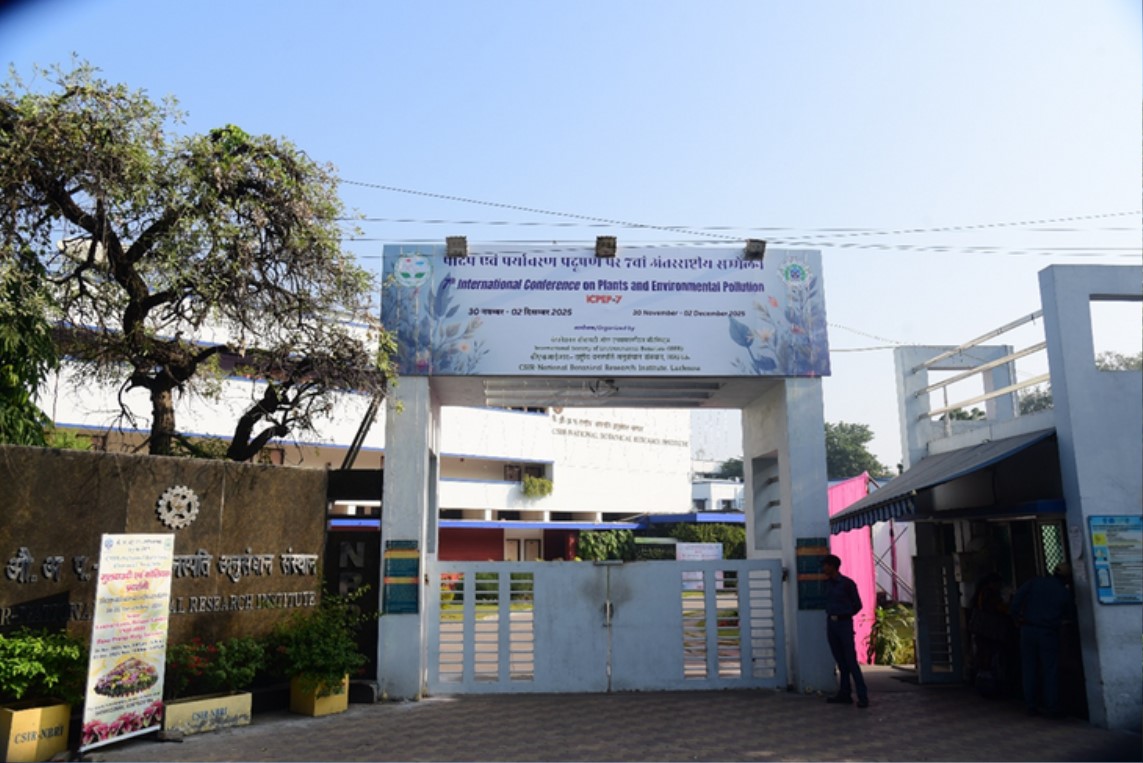
Entrance of the ICPEP-7 Conference venue (CSIR-NBRI, Lucknow), displaying the event banner.
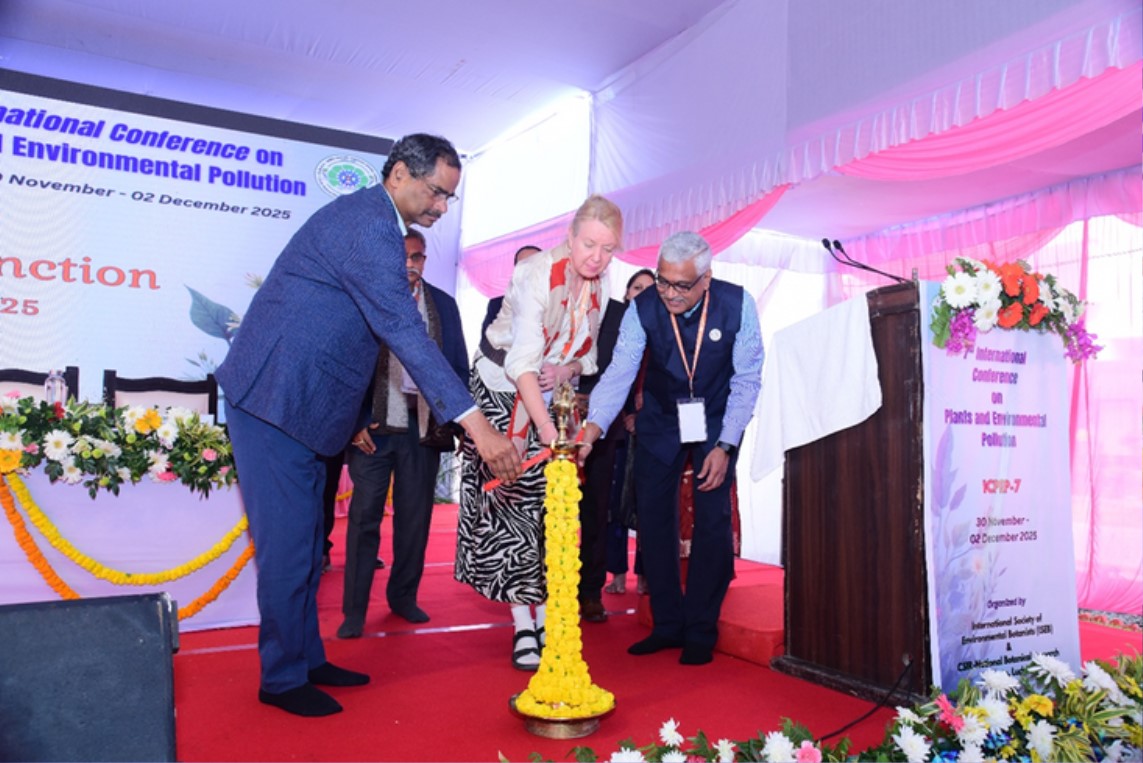
Inaugural lamp-lighting ceremony marking the formal opening of ICPEP-7 (30 Nov–02 Dec 2025).
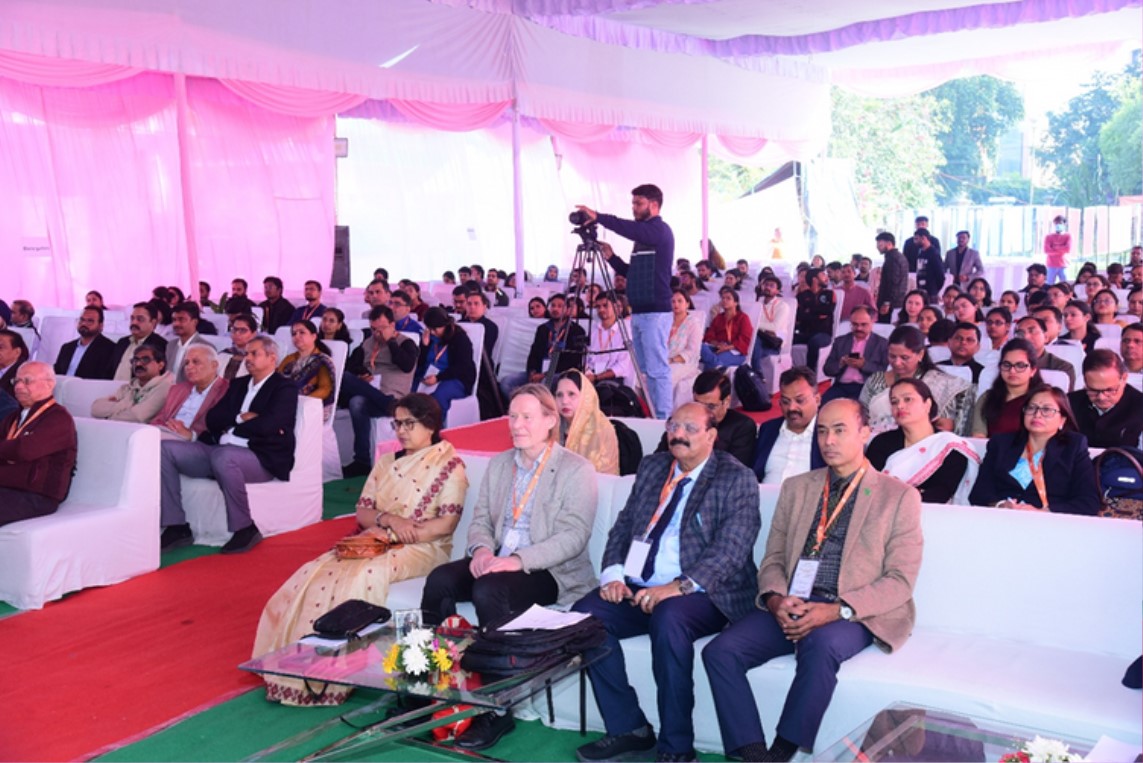
Inauguration ceremony – audience and dignitaries during the opening session under the main pavilion.
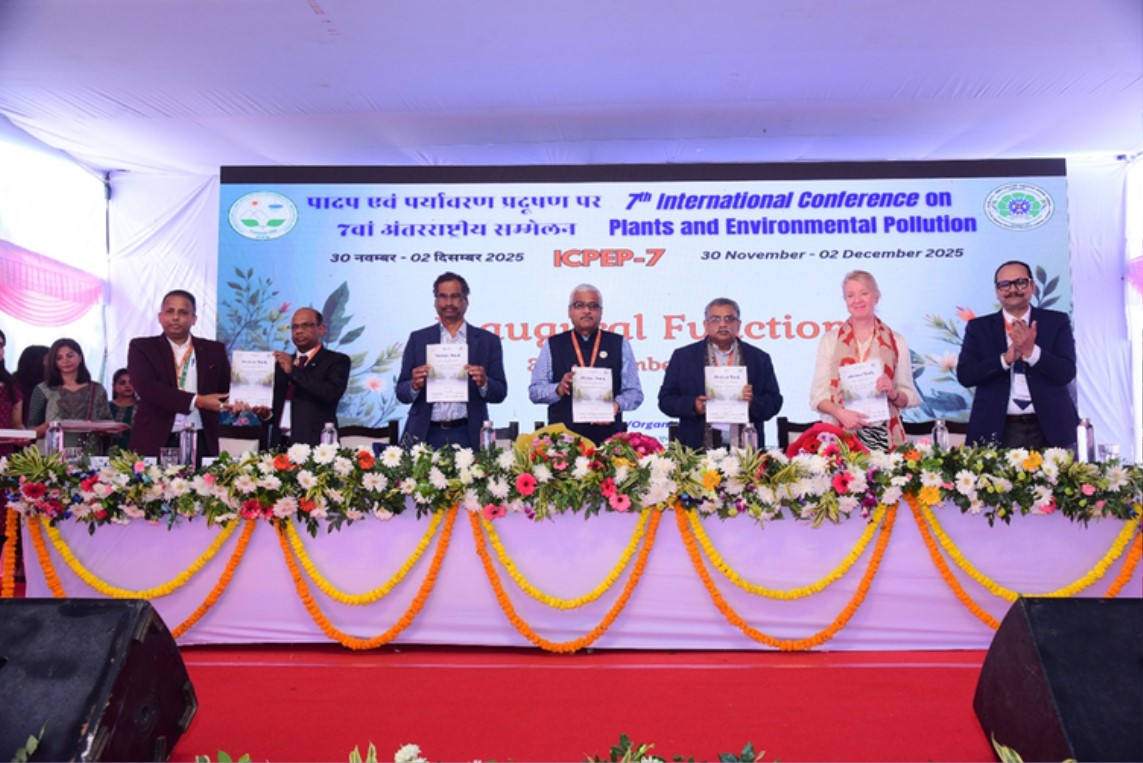
Release of the ICPEP-7 Abstract Book by conference dignitaries on the inaugural dais.
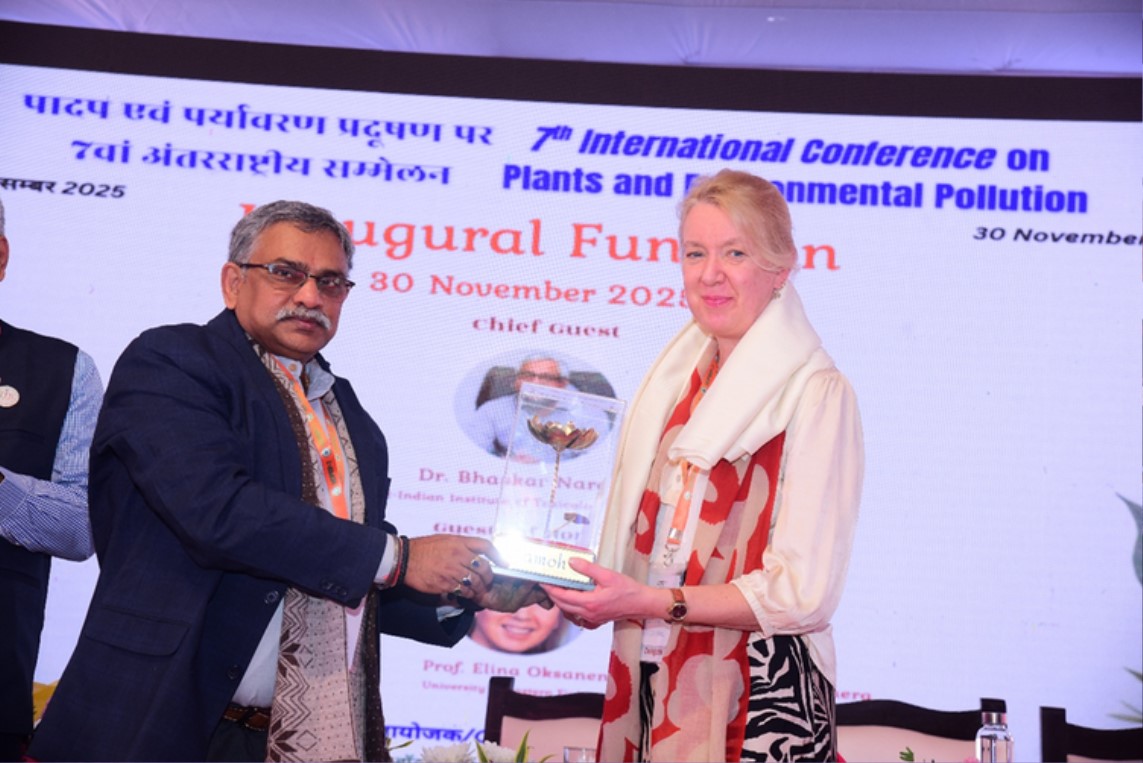
Felicitation of the Guest of Honour, Prof. Elina Oksanen (Finland), during the inaugural function.
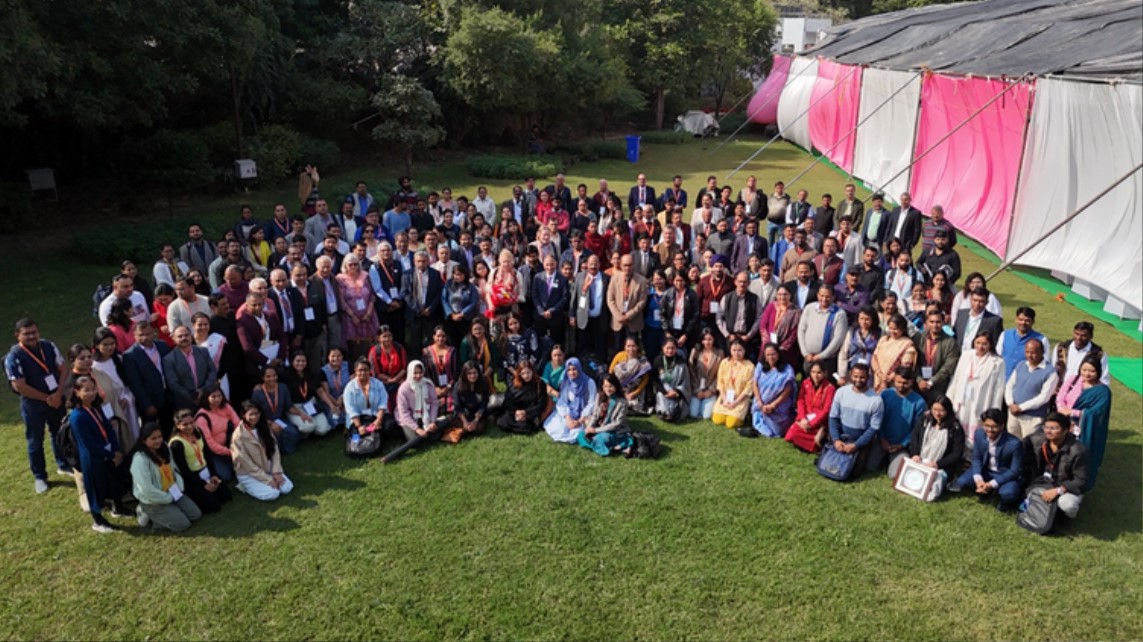
Conference group photograph of participants and delegates at the ICPEP-7 venue.
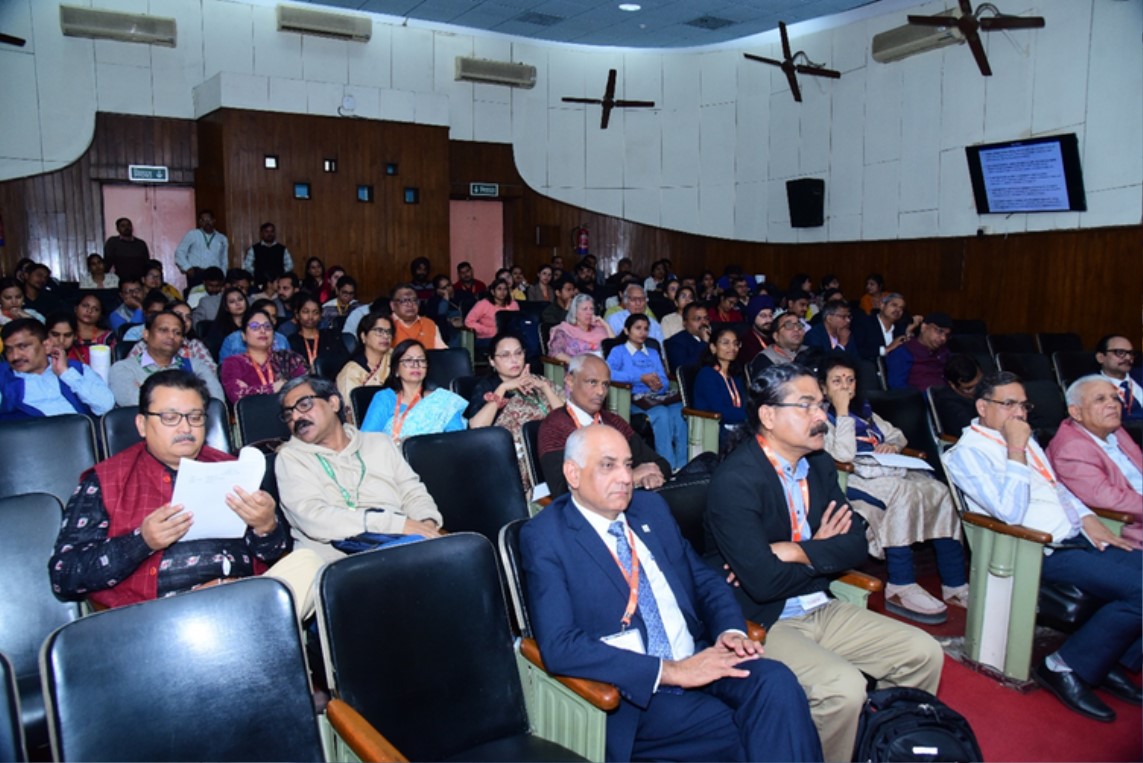
Scientific session in the auditorium – delegates attending an invited/plenary session.
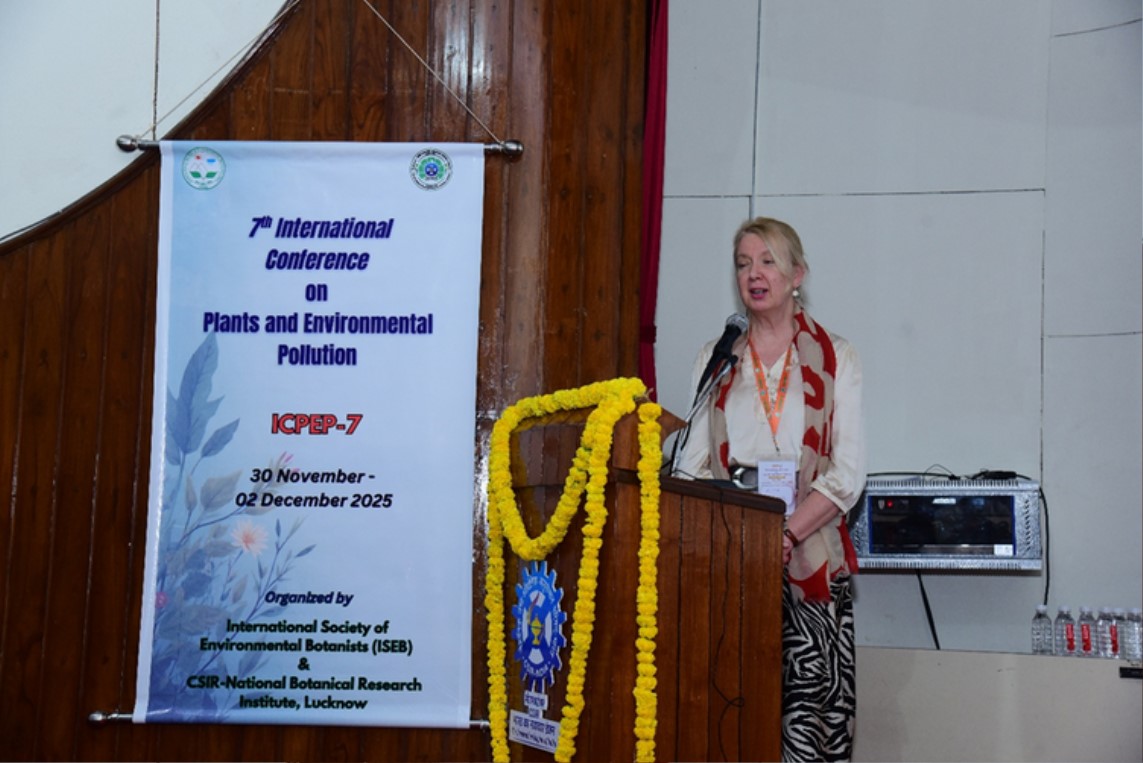
Plenary talk by Prof. Elina Oksanen (Finland) during the ICPEP-7 scientific programme.
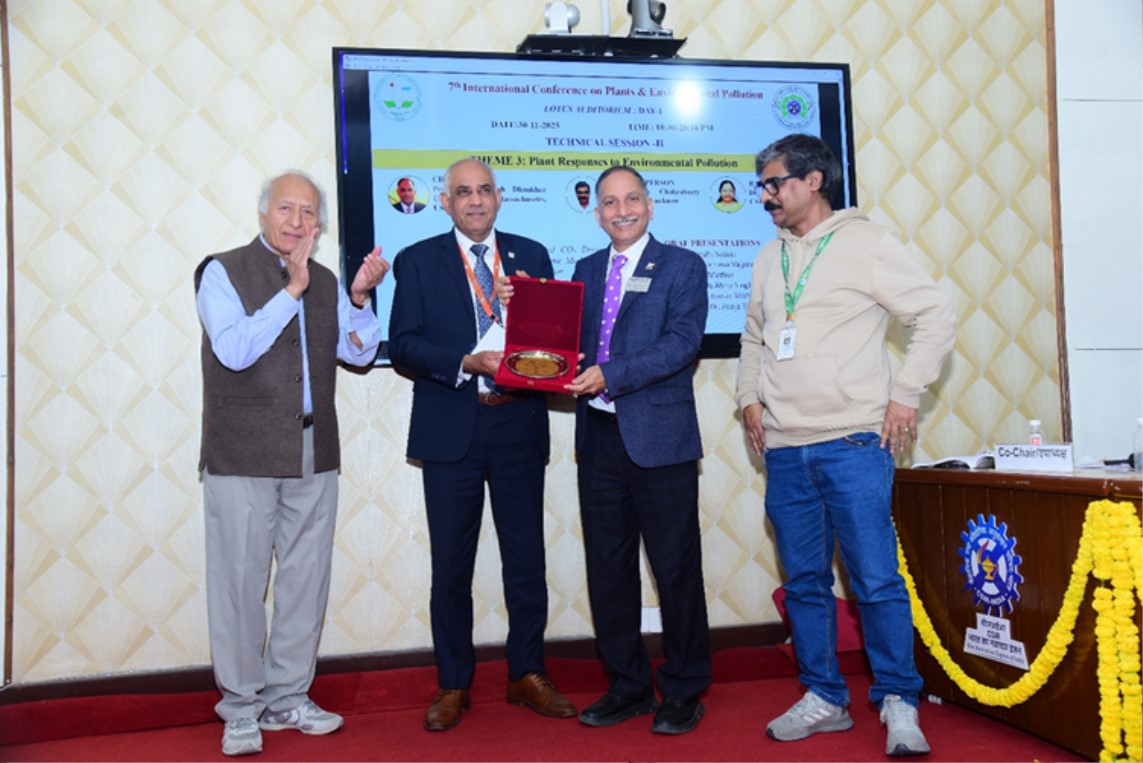
Felicitation of a speaker with a memento during a scientific session.
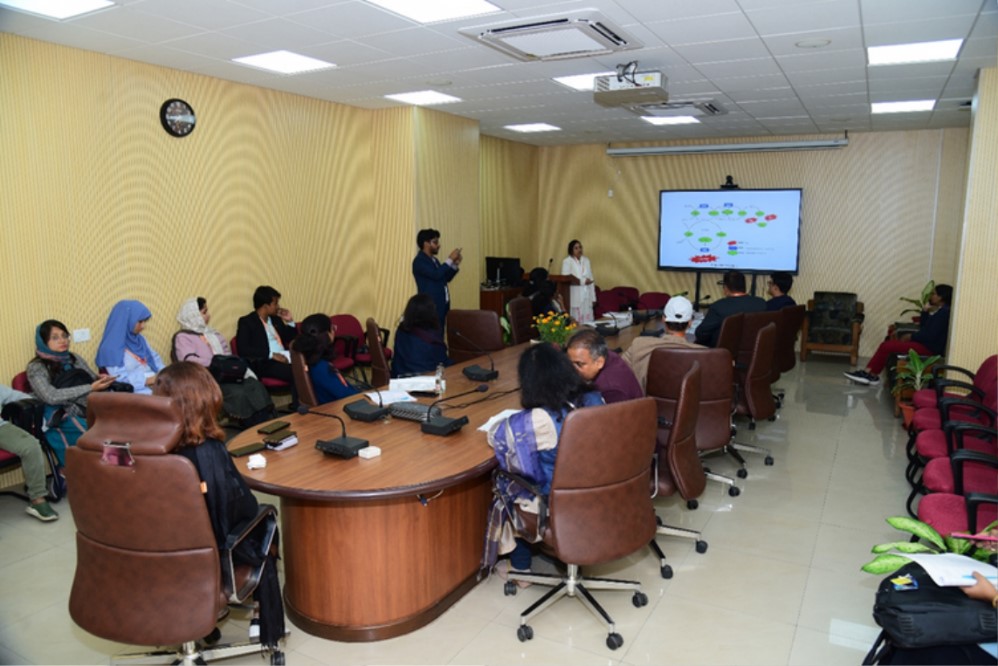
Parallel scientific session – oral presentation and discussion in a conference room setting.
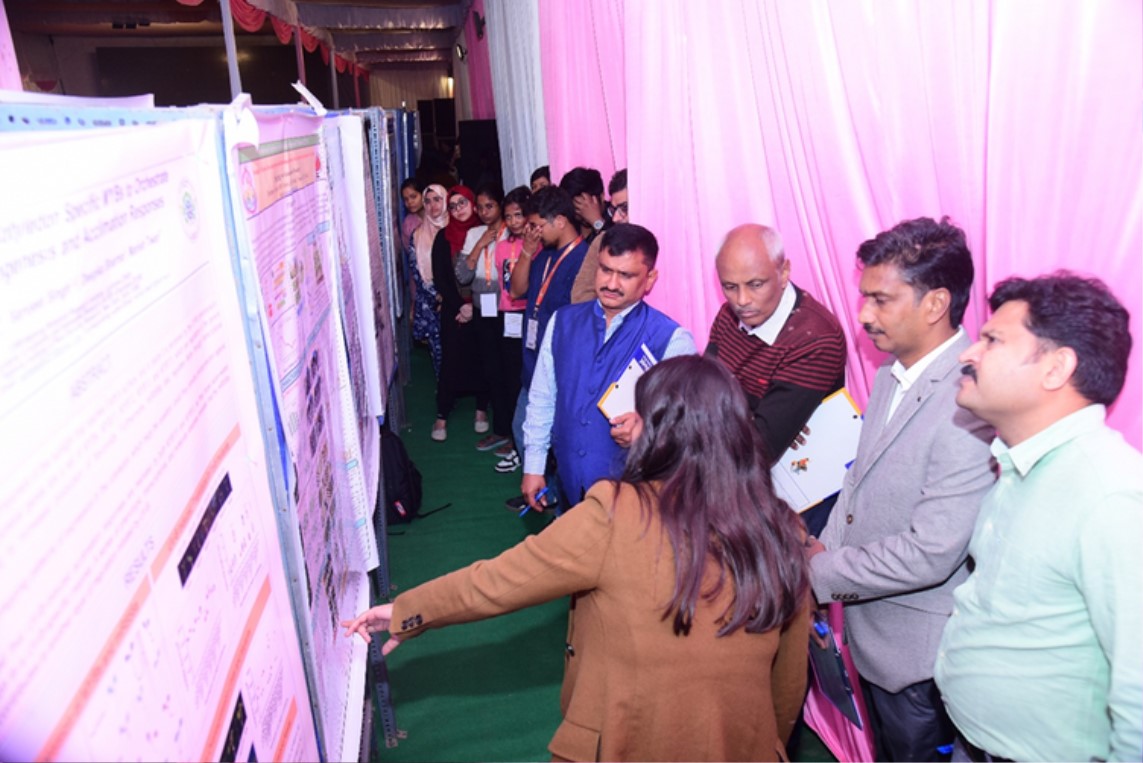
Poster session – participants reviewing posters and interacting with presenters.
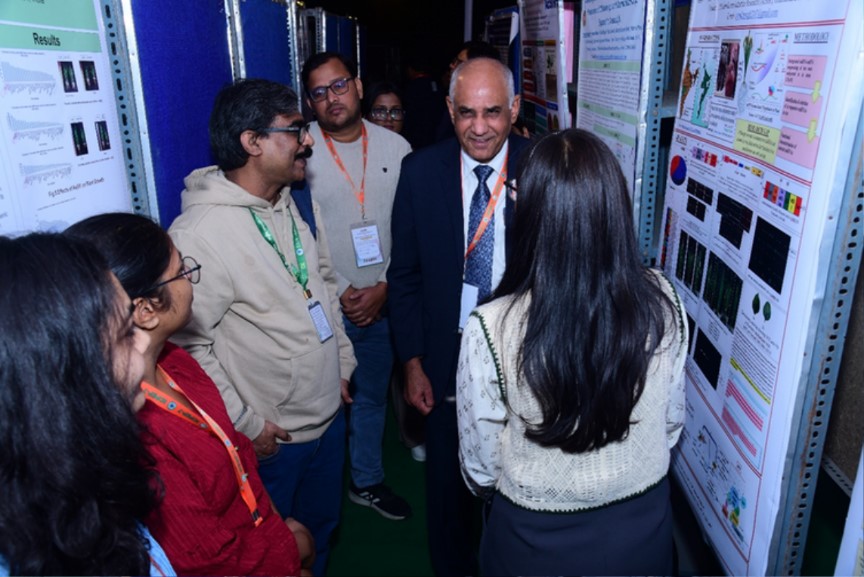
Poster session – technical discussion and feedback at the poster display panels.
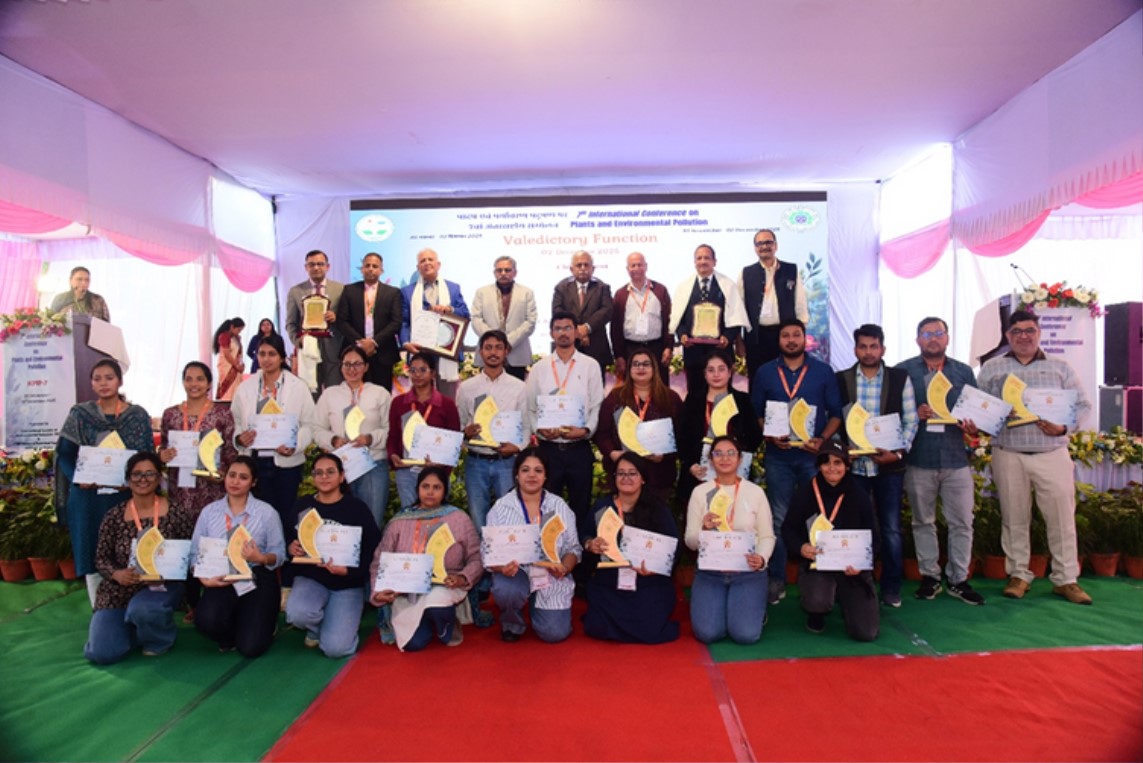
Poster awardees receiving certificates/awards during the valedictory session.
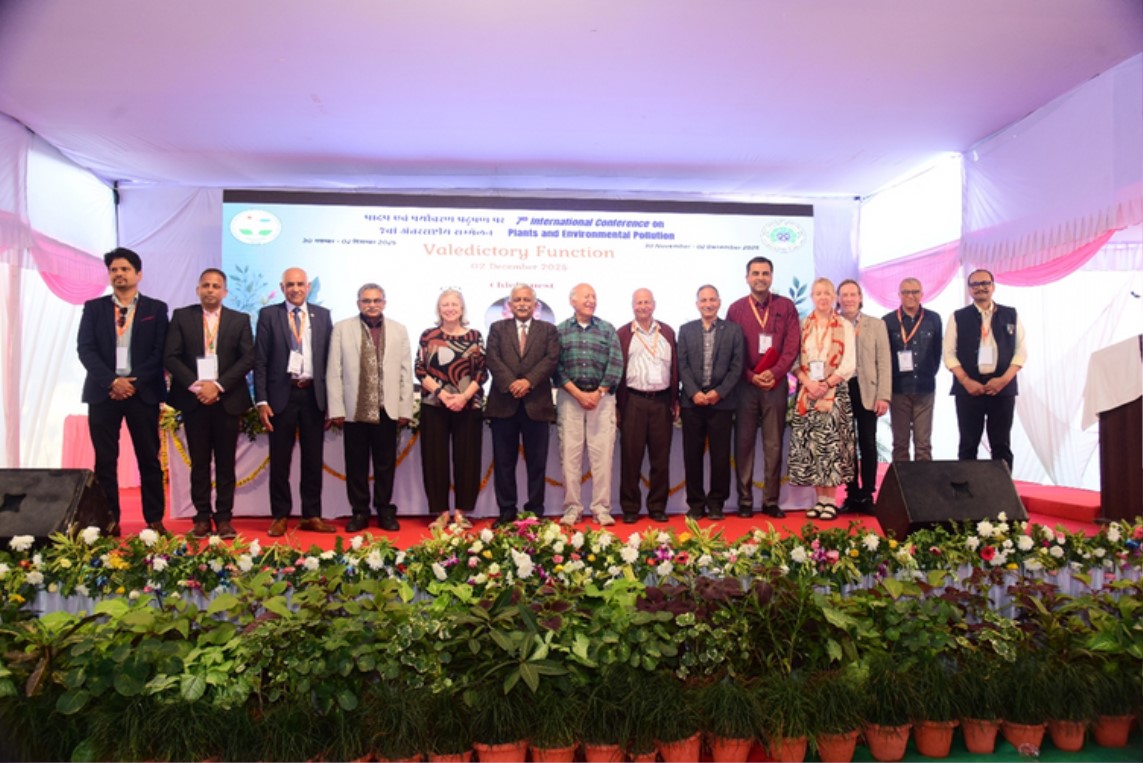
Valedictory function – group photograph of guests and organisers on the concluding dais.
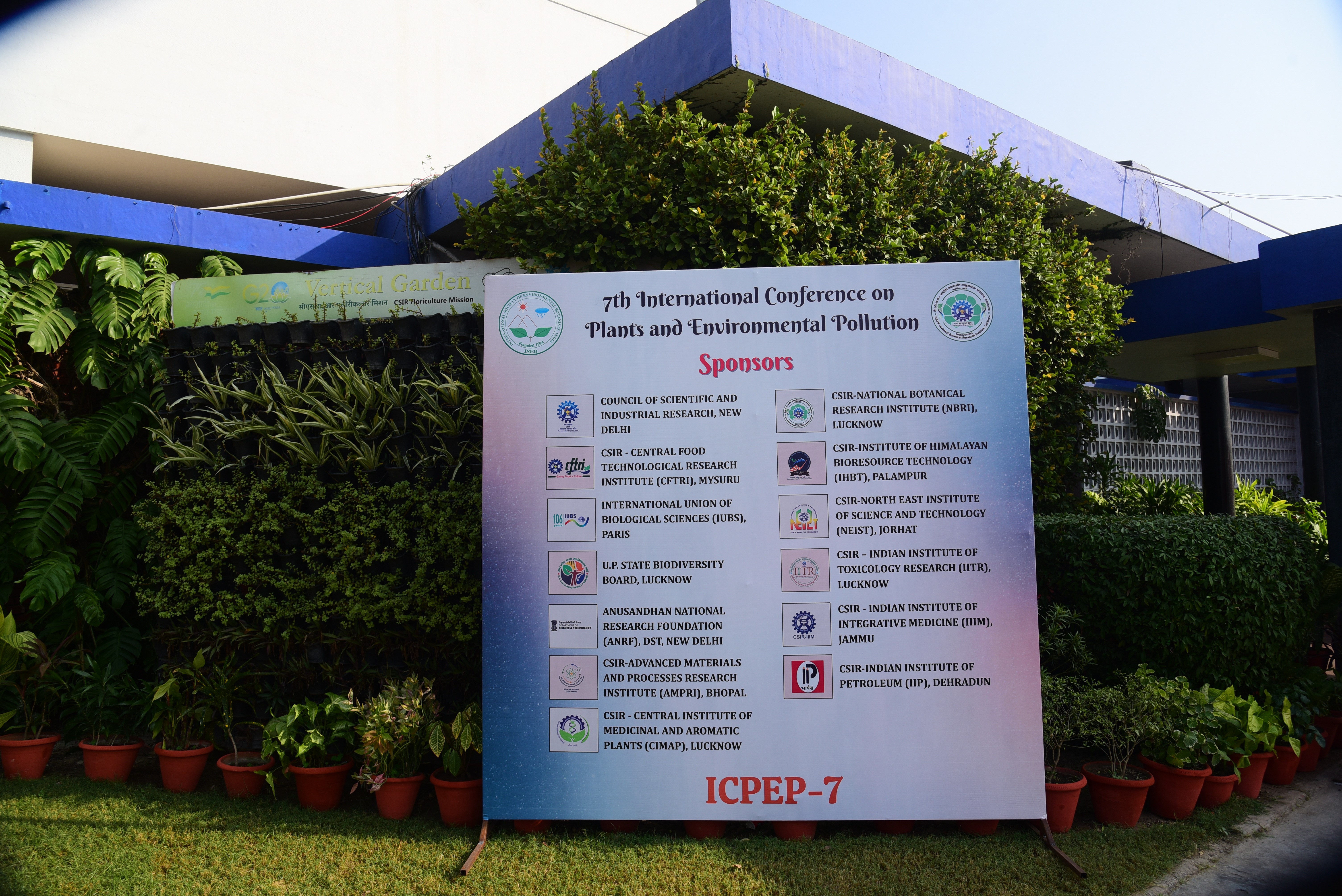
ICPEP-7 Conference Sponsorship Agencies.